

ELEMENT SQUARED PRIVATE WEALTH
Is the Bull Market Over?
What the Data Actually Says
March 13, 2026
If you’ve been watching the market lately, you’ve probably seen the headlines: “Stocks Tumble,” “Wall Street Fears Grow,” “Is a Bear Market Coming?”
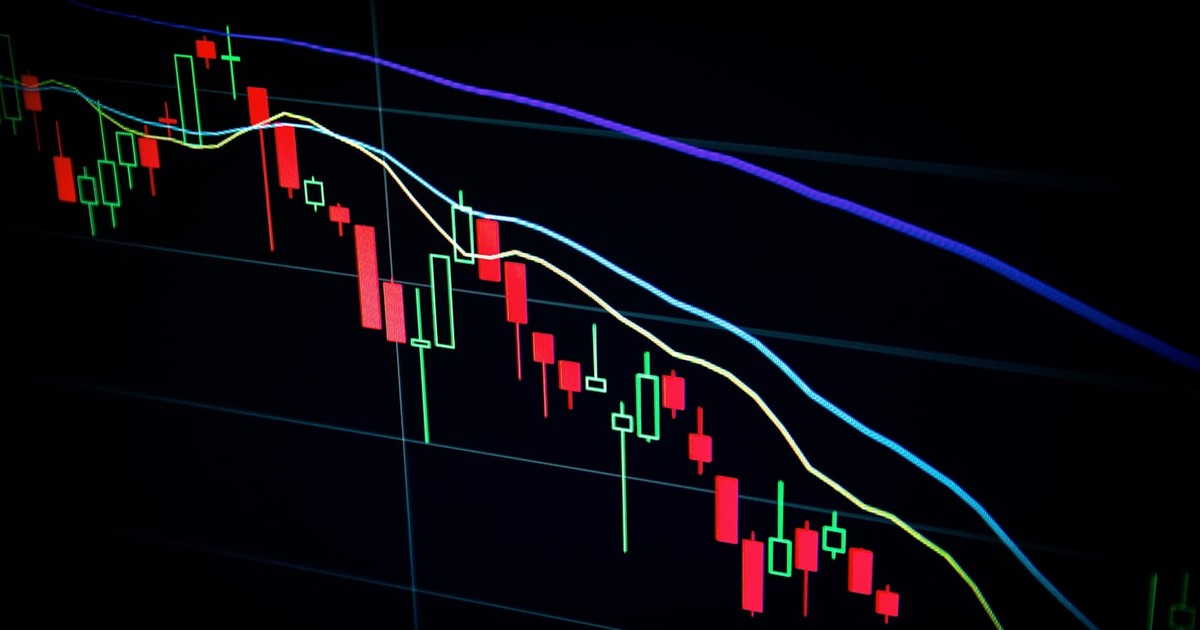
It’s easy to get caught up in the noise. The S&P 500 is down roughly 4% from its all-time high. The VIX — Wall Street’s “fear gauge” — has been sitting above 24 for weeks. Some of last year’s biggest winners, like Technology and Financials, are getting hit hard.
So is this the end of the bull market? Or just a bump in the road?
Let’s look at what the data actually tells us.
First, Some Perspective
A 4% decline from highs sounds scary in the moment, but it’s actually quite normal. Historically, the S&P 500 experiences a pullback of 5% or more roughly three times per year. A decline of 10% or more — what Wall Street calls a “correction” — happens about once a year on average.
A bear market? That’s defined as a 20% drop from the peak. Those are far less common — roughly once every 4–5 years.
At 4% off highs, we’re not even in correction territory yet. But that doesn’t mean we should ignore what’s happening beneath the surface.
What the Breadth Data Shows
The most important thing to watch right now isn’t the S&P 500 index itself — it’s what’s happening underneath it. We call this market breadth, and it tells us how many stocks are actually participating in the move.
Here’s what we’re seeing today:
| Metric | Current | What It Means |
|---|---|---|
| Stocks above 20-day MA | 25% | Short-term selling is widespread |
| Stocks above 50-day MA | 31% | Medium-term trend is deteriorating |
| Stocks above 200-day MA | 47% | Long-term structure bending, not broken |
| SPY RSI | 40 | Approaching oversold levels |
| SPY vs. 200-day MA | Above ✓ | The most important support level still holds |
The short and medium-term picture is clearly weak. Only a quarter of stocks are holding above their 20-day moving average, which tells us selling pressure is broad-based — not just a few big names dragging the index down.
But the long-term picture is still intact. The S&P 500 remains above its 200-day moving average — the single most-watched trend indicator on Wall Street. Nearly half of all stocks are still above theirs as well. That’s the line in the sand. As long as it holds, this looks more like a correction than the start of something worse.
The Sector Story Matters
One of the clearest signals right now is where money is flowing. In a healthy bull market, you typically see growth-oriented sectors like Technology and Consumer Discretionary leading the charge. That’s not what’s happening.
Instead, the three strongest sectors right now are:
- Energy (+97) — At its 52-week high with perfect breadth
- Utilities (+89) — The classic defensive play, surging
- Consumer Staples (+31) — Defensive bid broadening
Meanwhile, the weakest sectors are:
- Financials (-69) — Down 13% from highs, worst breadth in the market
- Consumer Discretionary (-47) — Below the 200-day MA
- Technology (-18) — Only 24% of stocks above the 50-day MA
This defensive rotation tells an important story. Investors aren’t panicking — they’re repositioning. Money is moving from aggressive growth into safety and commodities. That’s not bear market behavior. It’s late-cycle caution.
What a Real Bear Market Looks Like
It’s worth understanding what would need to happen for this to turn into a genuine bear market:
- SPY breaks below the 200-day moving average and stays there
- 200-day breadth drops below 30% — meaning most stocks have broken their long-term trends
- Defensive sectors start failing too — when even Utilities and Staples can’t hold up, there’s nowhere to hide
- Credit markets show stress — widening spreads, rising default expectations
- The VIX spikes above 35-40 — at 25, we’re elevated but not in panic territory
Right now, none of these boxes are checked. The 200-day MA holds. Defensives are thriving. Credit markets are orderly. The VIX is elevated but contained.
That doesn’t mean we’re out of the woods. The deterioration in breadth is real, and if it continues, those bear market signals could start triggering. But we’re not there yet.
What Should Investors Do Right Now?
The honest answer: don’t panic, but don’t ignore it either.
Here’s our framework:
- Review your holdings. If you’re heavily concentrated in Technology or Financials, you’re feeling more pain than the index suggests. Understand your sector exposure.
- Focus on quality. Companies with strong balance sheets, real earnings, and pricing power tend to hold up best during uncertain periods. This is not the time for speculative bets.
- Don’t try to time the bottom. Nobody rings a bell at the bottom. If you have a long-term plan, a 4% pullback is not a reason to abandon it.
- Watch the 200-day moving average. That’s the line that matters most. As long as SPY holds above it, the long-term trend is intact.
- Keep some dry powder. If this correction deepens, you’ll want cash available to buy quality names at better prices. The best opportunities often come when everyone else is afraid.
The Bottom Line
Is the bull market over? The data says not yet.
What we’re experiencing is a normal correction within a longer-term uptrend. The short-term is ugly. The medium-term is deteriorating. But the long-term structure — the one that actually defines bull and bear markets — is still holding.
That said, this is a market that demands respect and attention. The rotation into defensives, the weakening breadth, and the stress in Financials are all signals worth monitoring closely. Corrections can deepen, and complacency is the biggest risk when the trend is bending.
Stay disciplined. Stay informed. And if you’re unsure about how your portfolio is positioned for this environment, that’s exactly the kind of conversation we have every day.

Ready to Talk About Your Portfolio?
Markets like this are exactly why having a plan matters. If you’re unsure how your portfolio is positioned — or if you’re wondering whether it’s time to make changes — we’re here to help.
No pressure. No sales pitch. Just a straightforward conversation about your investments.
This commentary is for informational purposes only and does not constitute investment advice. Past performance does not guarantee future results. Contact us to discuss how these market dynamics may affect your portfolio.
ELEMENT SQUARED PRIVATE WEALTH
© 2026 Element Squared LLC. All rights reserved.